

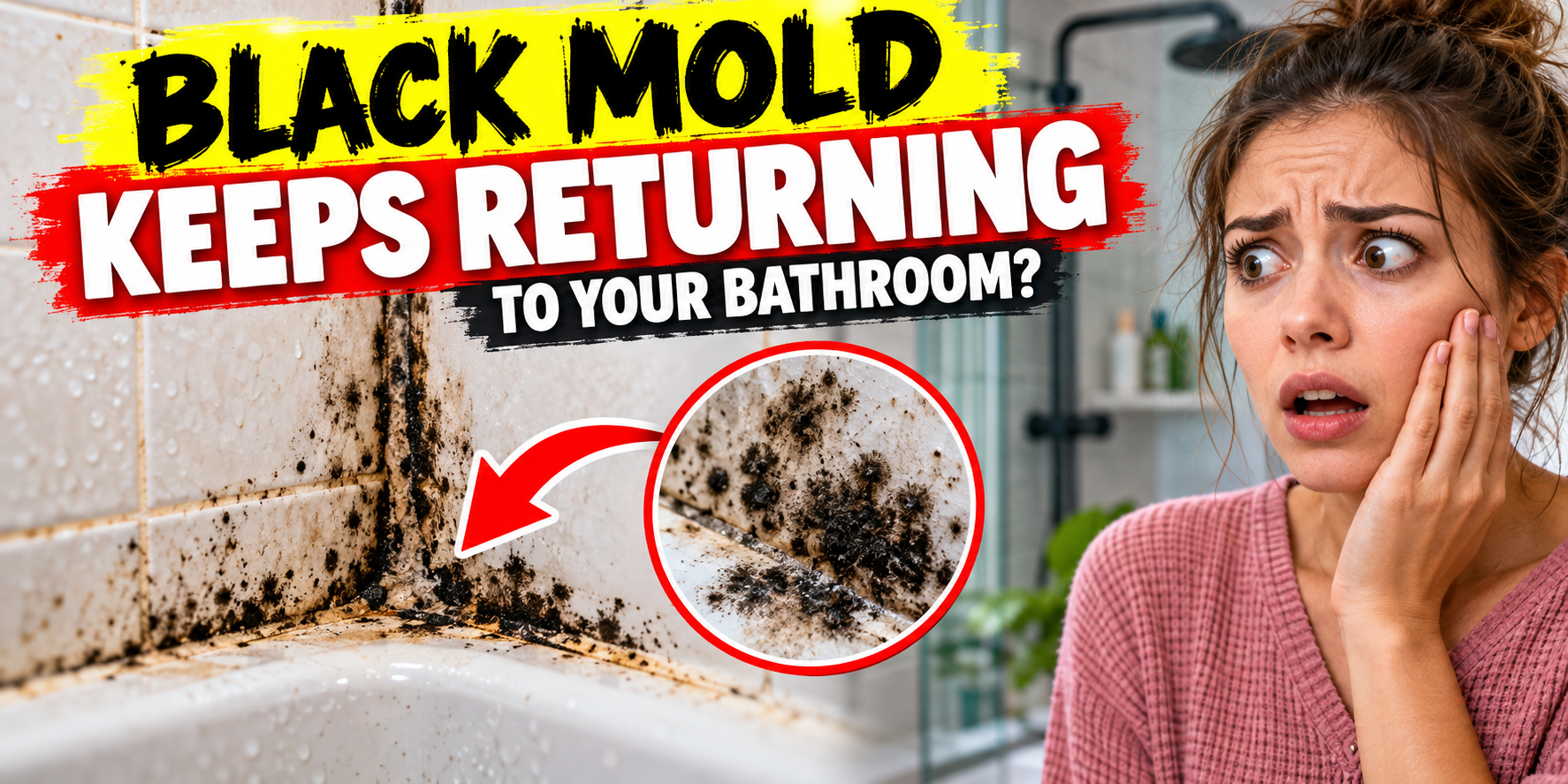
Many small areas of mold on accessible hard surfaces can be cleaned by homeowners.
However, more serious problems may require professional help.
The EPA generally considers mold areas smaller than approximately 10 square feet suitable for homeowner cleanup in many circumstances.
Professional evaluation is advisable if:
- The affected area covers more than about 10 square feet.
- Mold keeps returning despite moisture-control efforts.
- Water damage extends behind bathroom walls.
- Drywall or other absorbent materials are affected.
- There has been sewage contamination.
- Significant water damage has occurred.
- You suspect mold in building cavities or ventilation equipment.
A professional mold remediation company can assess the contamination, recommend containment, remove affected materials where necessary, and coordinate moisture repairs.
What Affects Professional Bathroom Mold Removal Cost?
The price of professional mold remediation varies considerably.
Costs may depend on:
- The size and location of the mold problem
- Whether drywall or tiles must be removed
- The severity of moisture damage
- Containment and protective measures
- Plumbing leak repairs
- Waterproofing repairs
- Structural drying requirements
- Local contractor labor rates
A small, accessible surface problem is very different from water damage extending through several bathroom walls.
Before hiring a contractor, request a written assessment explaining the scope of work, moisture source, materials requiring removal, and cleanup procedures.
Does Homeowners Insurance Cover Bathroom Mold Damage?
Homeowners insurance coverage depends on your policy, the cause of the damage, and any exclusions or coverage limits.
Some policies may cover mold-related remediation resulting from certain covered sudden water losses, while long-term seepage or maintenance-related moisture problems are commonly excluded.
Review your policy and contact your insurer before assuming the cleanup will be covered.
Photographs, repair records, and a professional water damage assessment can help document the situation.
Common Bathroom Mold Cleaning Mistakes to Avoid
Mistake 1: Painting Over Mold
Mold-resistant bathroom paint can be useful after proper preparation, but painting directly over active mold does not solve the problem.
Remove the mold, correct the moisture issue, and allow the surface to dry before repainting.
Mistake 2: Relying Only on Bleach
Bleach isn’t a substitute for physically removing mold or correcting damp conditions.
Detergent and water are often sufficient for cleaning small amounts of mold from hard surfaces.
Never mix bleach with other cleaning chemicals, including vinegar or ammonia.
Mistake 3: Using Strong Fragrances to Hide Musty Odors
Air fresheners may temporarily cover unpleasant odors, but they do not eliminate mold or water damage.
A persistent musty smell deserves further investigation.
Mistake 4: Ignoring Cracked Shower Grout
Damaged grout and seals can allow water to reach surrounding materials.
Inspect and repair them as part of routine bathroom maintenance.
Mistake 5: Replacing Caulk Before Everything Is Dry
Applying new silicone over damp or moldy surfaces can trap moisture.
Clean, repair, and dry the area thoroughly before resealing.
Frequently Asked Questions About Bathroom Black Mold
Is every black spot in my bathroom toxic black mold?
No. Mold color alone cannot identify a species or determine how dangerous it is.
Different molds can appear dark green, brown, or black. What matters is addressing visible mold and the conditions allowing it to grow.
Can bathroom black mold disappear permanently?
Visible mold can be removed, and recurring growth can often be prevented by correcting moisture problems and maintaining proper ventilation.
However, no cleaning product can guarantee that mold will never return.
Why does black mold keep growing on shower silicone?
Deteriorated silicone can hold staining or embedded growth, especially when the area remains damp.
Badly affected caulk may need replacement after the underlying surfaces are cleaned and dried.
Does vinegar permanently remove bathroom mold?
No household cleaner can permanently prevent mold if moisture remains. Avoid relying on vinegar or any single product as a complete solution.
Should I pay for professional black mold testing?
Professional testing is not automatically necessary when visible mold is present. The CDC generally does not recommend routine home mold testing because the practical priority is removing mold safely and correcting moisture.
A building moisture assessment may be more useful if the cause of recurring growth is unclear.
Can a dehumidifier stop mold in a bathroom?
A dehumidifier can help lower humidity, but it does not fix plumbing leaks, damaged shower waterproofing, or existing contaminated materials.
Good ventilation and moisture-source repairs remain important.
Why does bathroom ceiling mold return after painting?
Recurring ceiling mold can indicate ongoing condensation, inadequate ventilation, or water intrusion above the ceiling.
Investigate and address these conditions before repainting.
Final Thoughts: The Real Secret to Keeping Bathroom Mold Away
If black mold keeps returning to your bathroom, using stronger cleaning products isn’t necessarily the answer.
The most effective strategy is to:
Find the moisture. Remove the mold safely. Repair the underlying problem. Keep the bathroom dry.
For small patches on hard surfaces, a straightforward detergent-and-water cleaning method may be all you need.
For recurring mold linked to hidden water damage, damaged drywall, or leaking bathroom plumbing, qualified mold remediation and water damage restoration services may be necessary.
A cleaner, fresher bathroom begins with controlling moisture—not just hiding the stains.
Have you ever cleaned black mold from your bathroom, only to see it return? Share where it keeps appearing: shower grout, silicone seals, walls, or the ceiling!
