

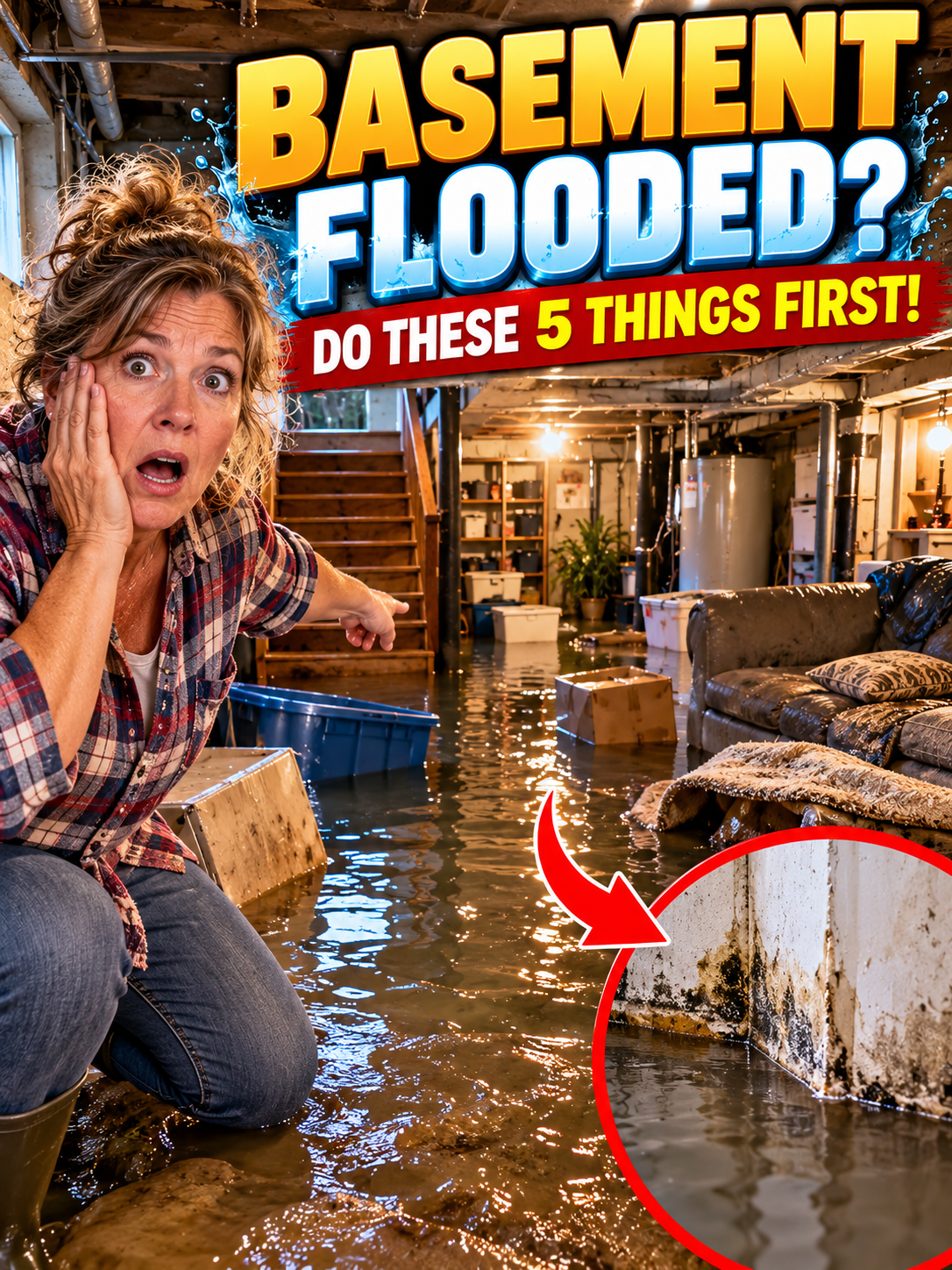
- Keep children and pets away from the flooded area.
- Never step into standing water if electricity may still be active.
- Contact an electrician or utility provider if you cannot safely disconnect power.
- Watch for structural damage, sewage contamination, and unstable materials.
- Stay outside the affected area until it has been confirmed safe.
Important: Never attempt to switch off electrical equipment while standing in water.
Your safety is always more important than saving furniture or appliances.
2. Identify the Source of the Basement Flooding
Once the situation is safe, determining where the water came from can help prevent additional damage.
Common causes of basement flooding include:
- Heavy rain and poor exterior drainage
- Cracked foundation walls
- Broken or leaking plumbing pipes
- Sewer line backups
- Malfunctioning sump pumps
- Water heater failures
- Clogged gutters and downspouts
If a broken pipe is responsible, shut off the main water supply from a safe location.
If the problem involves foundation leaks, groundwater, or a sewage backup, professional assistance may be necessary.
Identifying the source is also important when filing a water damage insurance claim, because coverage often depends on how the flooding occurred.
3. Take Photos Before Starting Water Damage Cleanup
One of the biggest mistakes homeowners make after basement flooding is cleaning everything before documenting the damage.
Before removing damaged items, take clear photographs and videos of the affected area, provided it is safe to do so.
Document:
- Water levels and damaged flooring
- Wet drywall and basement walls
- Furniture and household belongings
- Electrical appliances and equipment
- Visible cracks or structural damage
- Damaged carpets and insulation
Make a list of affected belongings, including their approximate purchase dates and replacement costs.
Save receipts for emergency repairs, professional water extraction, equipment rentals, and cleaning supplies.
Helpful tip: Store photographs, videos, invoices, and insurance correspondence together in a digital folder.
4. Contact Your Insurance Company Immediately
If your basement floods, contact your insurance provider as soon as possible.
Understanding your homeowners insurance water damage coverage can make an important difference in your financial recovery.
However, not every type of basement flooding is covered.
For example:
- Burst pipes: Sudden, accidental damage may qualify under certain homeowners insurance policies.
- Heavy rainfall and surface flooding: These losses typically require separate flood insurance.
- Sump pump failures: Coverage may depend on whether you purchased a water backup endorsement.
- Sewer backups: Coverage varies according to the policy and cause.
- Long-term leaks: Gradual deterioration or neglected maintenance may be excluded.
Ask your insurance representative about your deductible, coverage limits, claim documentation, and emergency repair requirements.
Don’t assume that all basement water damage qualifies for reimbursement.
Some flood insurance policies also have special restrictions for basement belongings and improvements.
5. Remove Standing Water as Soon as It’s Safe
After documenting the damage and confirming that electrical and structural hazards have been addressed, begin removing standing water.
Small amounts of clean water may be manageable with suitable equipment.
For larger floods, a professional emergency water damage restoration company may be the safest choice.
Water extraction specialists commonly use:
- Commercial water extraction pumps
- Industrial wet vacuums
- Professional dehumidifiers
- Moisture detection equipment
- Commercial drying and ventilation systems
If water is deep, contaminated, or still entering the basement, don’t attempt to pump it out yourself. Significant flooding may require a professional to assess foundation pressure and structural stability before water removal.
Quick action can reduce additional damage, but safe water extraction comes first.
6. Start Drying the Basement to Prevent Mold
Removing standing water is only the beginning.
Moisture can remain trapped inside drywall, insulation, wooden framing, carpets, and concrete surfaces.
Even when the floor looks dry, hidden dampness may continue damaging your home.
The EPA recommends drying wet areas and materials within approximately 24–48 hours when possible.
Once the space is safe:
- Open windows and doors if conditions allow.
- Use dehumidifiers to reduce moisture.
- Remove water-damaged carpets and padding when they cannot be safely restored.
- Inspect wall cavities and insulation for trapped moisture.
- Clean suitable hard surfaces with detergent and water.
- Monitor humidity while drying continues.
Avoid using fans in areas with visible mold because airflow may spread contamination.
If the basement remains damp or develops a musty smell, consider professional moisture testing and mold remediation.
7. Know When Professional Mold Remediation Is Necessary
Mold is one of the most frustrating problems associated with basement flooding.
It may develop in hidden areas such as behind drywall, beneath carpeting, or inside insulation.
Watch for warning signs, including:
- Persistent musty odors
- Dark or discolored patches on walls
- Peeling paint or bubbling drywall
- Damp wooden surfaces
- Visible fungal growth
A professional mold remediation company may be needed when contamination is extensive, water was contaminated, or moisture has spread into inaccessible building materials.
Never paint over mold or rely on air fresheners to solve a moisture problem.
The source of the moisture must be corrected, and affected materials must be properly cleaned, dried, or replaced.
8. Decide What Can Be Saved and What Must Be Replaced
Not everything exposed to floodwater is safe to keep.
Hard, nonporous materials can sometimes be cleaned and disinfected successfully.
However, porous materials exposed to contaminated floodwater may need to be discarded.
Items that may require replacement include:
- Saturated carpet padding
- Contaminated upholstered furniture
- Damaged insulation
- Severely water-damaged drywall
- Swollen particleboard furniture
- Moldy cardboard and paper items
Never reconnect or operate submerged appliances until they have been inspected by a qualified professional.
Save photographs and appropriate samples for your insurance claim before disposing of damaged belongings, unless keeping an item creates a safety hazard.
