

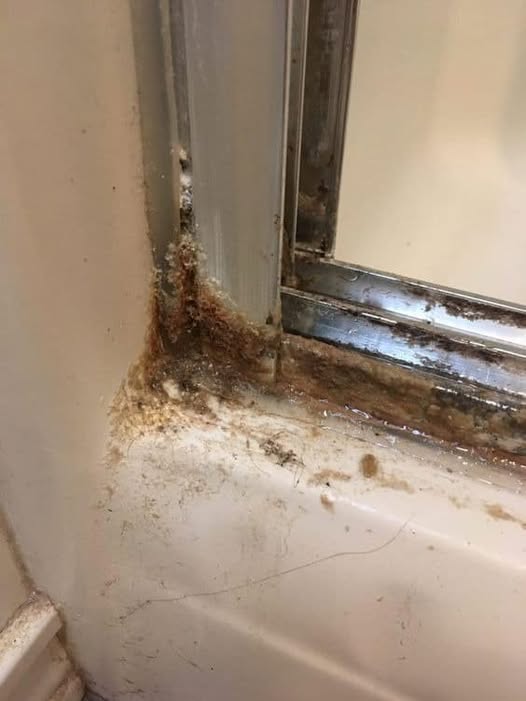
Clean Your Shower Doors in Minutes with Just 2 Simple Ingredients!
Tired of staring at cloudy, streaky, soap-scum-covered shower doors every single morning? You’re not alone. Those once-sparkling glass panels can quickly turn dull and grimy thanks to a stubborn mix of hard water minerals, body oils, shampoo residue, and soap scum. Commercial cleaners promise miracles but often leave behind chemical smells, sticky films, or disappointing results — and they cost a fortune over time.
The solution is almost too simple to believe. With just two everyday ingredients that most people already have in their kitchen, you can transform your shower doors into crystal-clear, streak-free glass in minutes. No harsh fumes, no expensive products, and barely any scrubbing required. This method has been shared and praised by professional cleaners, homemakers, and DIY enthusiasts for years because it actually works.
The Two Powerhouse Ingredients
- Distilled white vinegar
The acetic acid in vinegar is a natural descaler. It dissolves calcium, magnesium, and other mineral deposits left behind by hard water. It also helps break down the alkaline components of soap scum. - Grease-cutting dish soap (Dawn is the classic choice, but any strong liquid dish soap works)
Soap scum isn’t just minerals — it’s also oily residue from body washes, conditioners, and skin oils. Dish soap cuts through that greasy layer while thickening the mixture so it clings to vertical surfaces instead of dripping straight off.
Together, these two ingredients attack soap scum from both sides: the mineral side and the oily side. That’s why the combination outperforms many single-ingredient or commercial sprays.
What You’ll Need
- 1 cup distilled white vinegar
- 1 cup liquid dish soap
- Clean empty spray bottle (16–20 oz works perfectly)
- Soft sponge, non-scratch scrubber, or microfiber cloth
- Old toothbrush or small detail brush for tracks and corners
- Squeegee (highly recommended)
- Clean microfiber cloth for final drying
- Optional: rubber gloves, lemon or essential oil for scent
Detailed Step-by-Step Guide
Step 1: Make the cleaning solution
Pour the white vinegar into a microwave-safe measuring cup and heat it for 30–45 seconds until it’s warm (not boiling). Warm vinegar works noticeably faster than cold. Carefully pour the warm vinegar into your spray bottle, then add the dish soap. Gently swirl the bottle to combine the two. Avoid vigorous shaking — too many bubbles make the mixture harder to spray evenly. Label the bottle so everyone in the house knows what’s inside.
Step 2: Prepare the shower
Remove any bottles, loofahs, or accessories from the shower. Give the doors a quick rinse with warm water to loosen surface dirt and help the cleaner spread more evenly. If the glass is extremely dry and coated, a light pre-wetting makes a big difference.
Step 3: Apply the solution generously
Spray the mixture from top to bottom, covering every inch of glass. Pay special attention to the lower half of the doors and the bottom tracks — this is where soap scum and hard water stains build up the heaviest. Don’t be shy with the spray; the solution needs good coverage to work properly.
Step 4: Let chemistry do the heavy lifting
This is the most important step — and the one most people rush. Let the solution sit for 15 to 20 minutes. For heavily neglected doors, leave it for a full 30 minutes. During this time the vinegar dissolves mineral deposits while the dish soap emulsifies the oily residue. You may notice the scum starting to look softer or slightly cloudy as it breaks down. If the mixture begins to dry in spots, give those areas another light spray.
Step 5: Wipe and gently scrub
Using a soft sponge or microfiber cloth, start at the top and work your way down in overlapping circular or S-shaped motions. Most of the grime will wipe away with surprisingly little effort. For stubborn spots, apply a bit more pressure or use a non-scratch scrub pad. Use an old toothbrush to clean the metal tracks, hinges, and rubber seals — these areas trap a surprising amount of buildup.
Step 6: Rinse thoroughly
Rinse the doors completely with warm water. A handheld shower head is ideal because you can direct the water exactly where you need it. Make sure every trace of the vinegar-soap mixture is gone. Leftover residue can leave a slight film if not rinsed well.
Step 7: Dry for a perfect finish
This step separates “clean” from “wow.” Use a squeegee to remove as much water as possible, working from top to bottom in straight strokes. Follow with a clean, dry microfiber cloth to buff away any remaining droplets. The result is streak-free, sparkling glass that looks almost new.
Extra Tips for Maximum Success
- For extremely tough buildup: After the first round, make a second application or create a baking soda paste (baking soda + a little water) and gently scrub problem areas before the final rinse.
- Tracks and frames: Spray the cleaner into the tracks, let it sit, then scrub with a toothbrush and wipe out the loosened grime with a cloth or paper towel.
- Smell concerns: The vinegar scent dissipates quickly once rinsed. If you prefer, add 5–10 drops of lemon, tea tree, or lavender essential oil to the bottle.
- Frequency: Deep clean every 2–4 weeks depending on your water hardness and how often the shower is used. A quick daily or every-other-day squeegee after showers will dramatically reduce how often you need the full treatment.
- Storage: The leftover mixture keeps well in the spray bottle for several weeks. Just give it a gentle swirl before each use.
Common Mistakes to Avoid
- Using cold vinegar instead of warm — it simply works slower.
- Not letting the solution sit long enough.
- Scrubbing too aggressively with abrasive pads that can scratch glass.
- Skipping the final drying step (this is what causes new water spots).
- Using the mixture on natural stone surfaces such as marble or travertine — the acid can etch them.
Why This Method Beats Store-Bought Cleaners
Most commercial shower cleaners rely on strong chemicals that can irritate lungs and skin, leave residues, or require heavy scrubbing. This two-ingredient formula is inexpensive (pennies per use), non-toxic when used as directed, and highly effective because it targets both sides of the soap-scum equation. Many professional cleaners and home organizers swear by the vinegar-and-dish-soap combination for exactly this reason.
Prevention Is Easier Than Cleaning
Once your doors are sparkling, keep them that way with these simple habits:
- Squeegee the glass after every shower (takes less than 30 seconds).
- Keep a small spray bottle of diluted vinegar or the leftover cleaner nearby for quick touch-ups.
- Avoid letting product bottles sit directly on the shower floor or ledge where they can drip.
- If you live in a hard-water area, consider a water softener or a weekly light vinegar mist.
Final Thoughts
You don’t need a cabinet full of specialized cleaners or hours of hard labor to keep your shower looking fresh. Two simple, inexpensive ingredients — white vinegar and dish soap — are all it takes to cut through months of buildup and restore clear, beautiful glass in minutes. The next time your shower doors start looking cloudy, skip the expensive sprays and reach for these kitchen staples instead.
Try it once and you’ll wonder why you ever used anything else. Your future self (and your sparkling shower) will thank you.
